Solar Panel Cleaning in Utah: Dust, Inversion Season and Lost Output
Why dust, pollen and winter inversion grime build up on Utah home solar panels, why rain and snow don't fully clean them, and when cleaning is worth it.
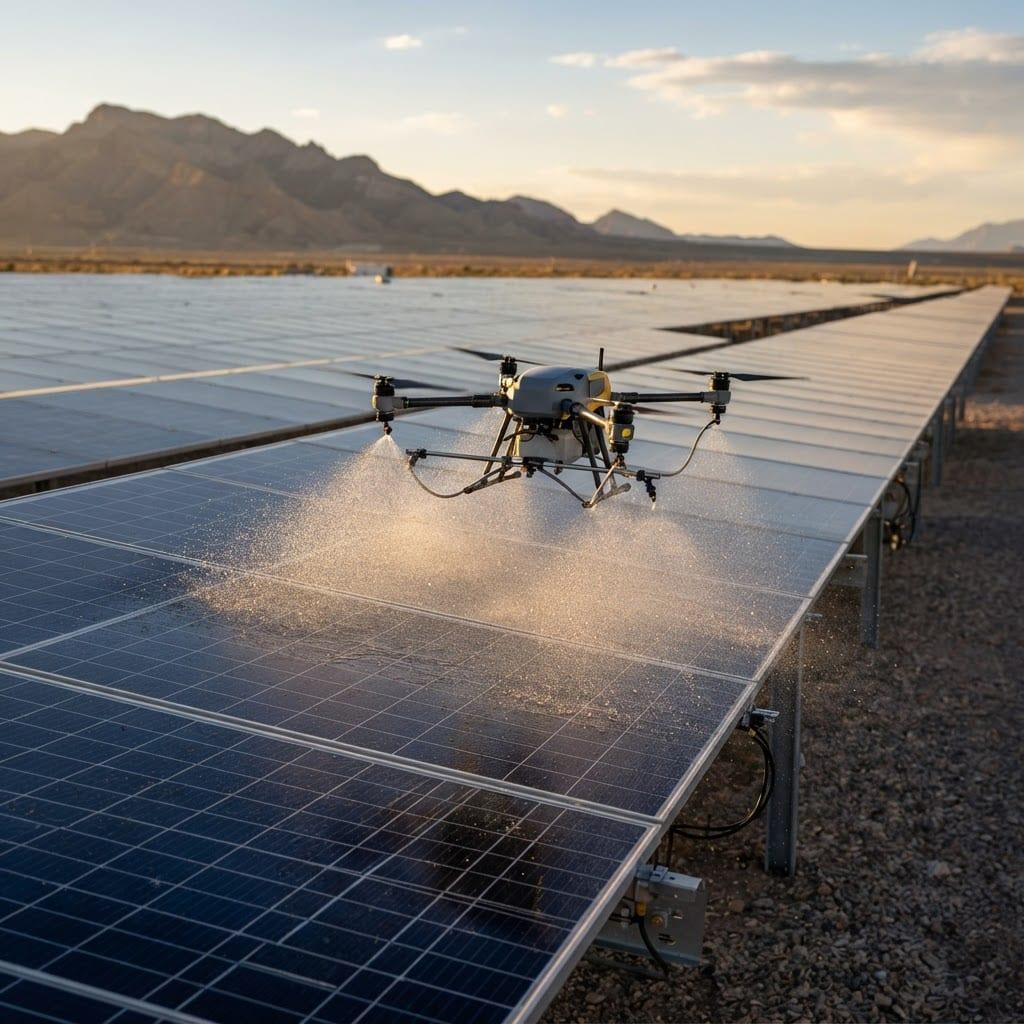
Solar panels on Utah homes collect a mix of dust, pollen and winter grime that rain and snow don't fully wash away. A clean rinse with purified water, done without anyone walking on the roof, clears it. The useful question is when cleaning is worth doing, and that depends on what's landing on your panels and what your production numbers show.
Here's what builds up along the Wasatch Front, why the weather doesn't take care of it, and how to time a clean.
What builds up on Utah panels
Rooftop panels sit in the open all year, and each season adds something:
- Dust. Dry summers, wind and nearby construction leave a fine layer, and red desert dust blows in on stormy days.
- Spring pollen. It's sticky, so it holds on and catches more dust on top of it.
- Inversion grime. Utah's Division of Air Quality explains that during winter inversions, pollutants from vehicles, wood burning and industry stay trapped near the ground. Some of that settles on everything outside, panels included.
- Bird droppings and hard water spots. Droppings block light where they land, and ground-mounted or low panels in sprinkler range collect mineral spots.
Why rain and snow don't clean them
It's easy to assume the weather keeps panels clean. Research says otherwise. A 2023 study led by the National Renewable Energy Laboratory looked at five utility-scale solar plants in North Carolina and found that rain removed some pollen, but the panels' performance didn't return to its cleaned level. At peak pollen season, output at those plants fell by as much as 15%. Utah's climate and pollen are different, but the lesson carries over: rain alone doesn't bring a soiled panel back to clean.
Light rain can make it worse in the short term: a little water on a dusty panel can leave a muddy film behind as it dries. Snow mostly slides off, and it doesn't scrub anything as it goes.
Why not hose, brush or climb up
The do-it-yourself options each bring a problem:
- A garden hose. Tap water leaves mineral deposits as it dries, and those block light just like dust does.
- Brushes. They can scratch the glass or wear down its anti-reflective coating.
- Climbing up. Walking on a roof puts weight on panels, roofing and mounting hardware, and it puts a person on a ladder or a pitched roof.
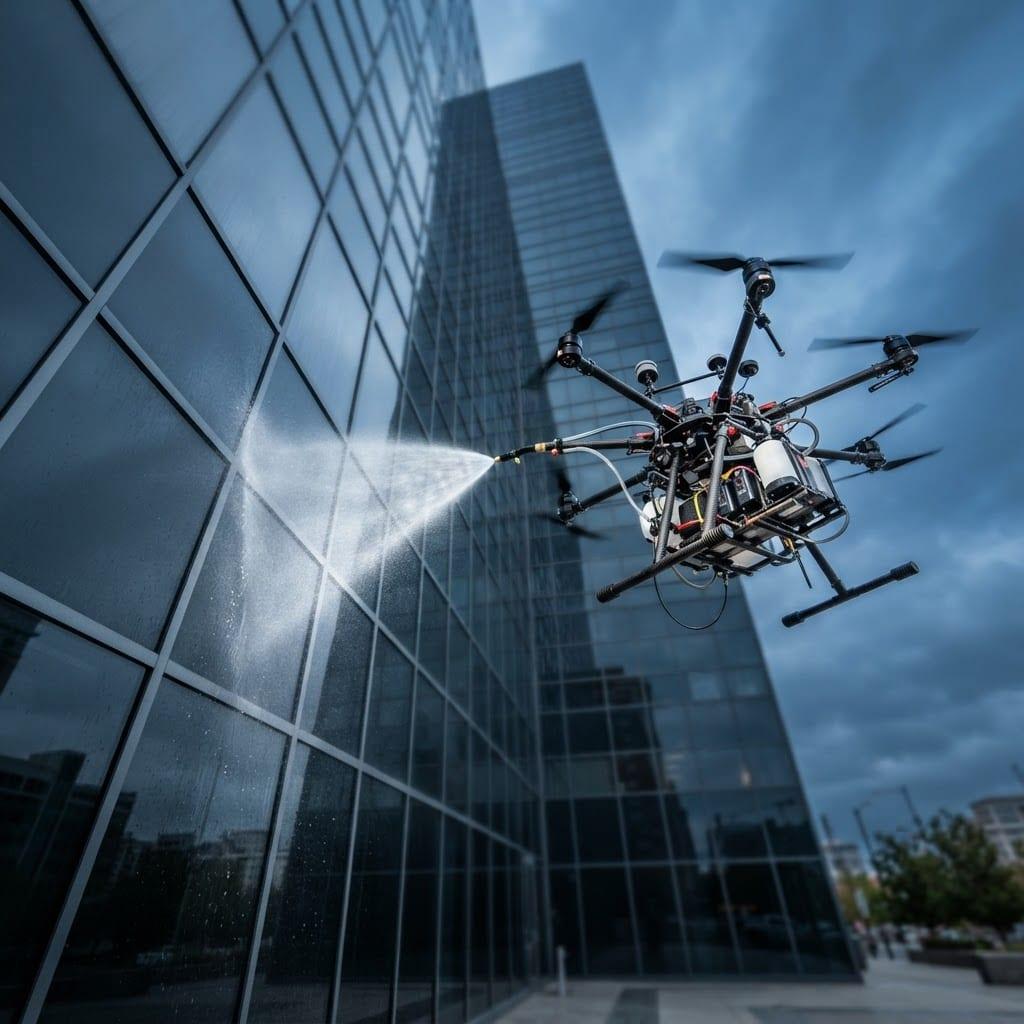
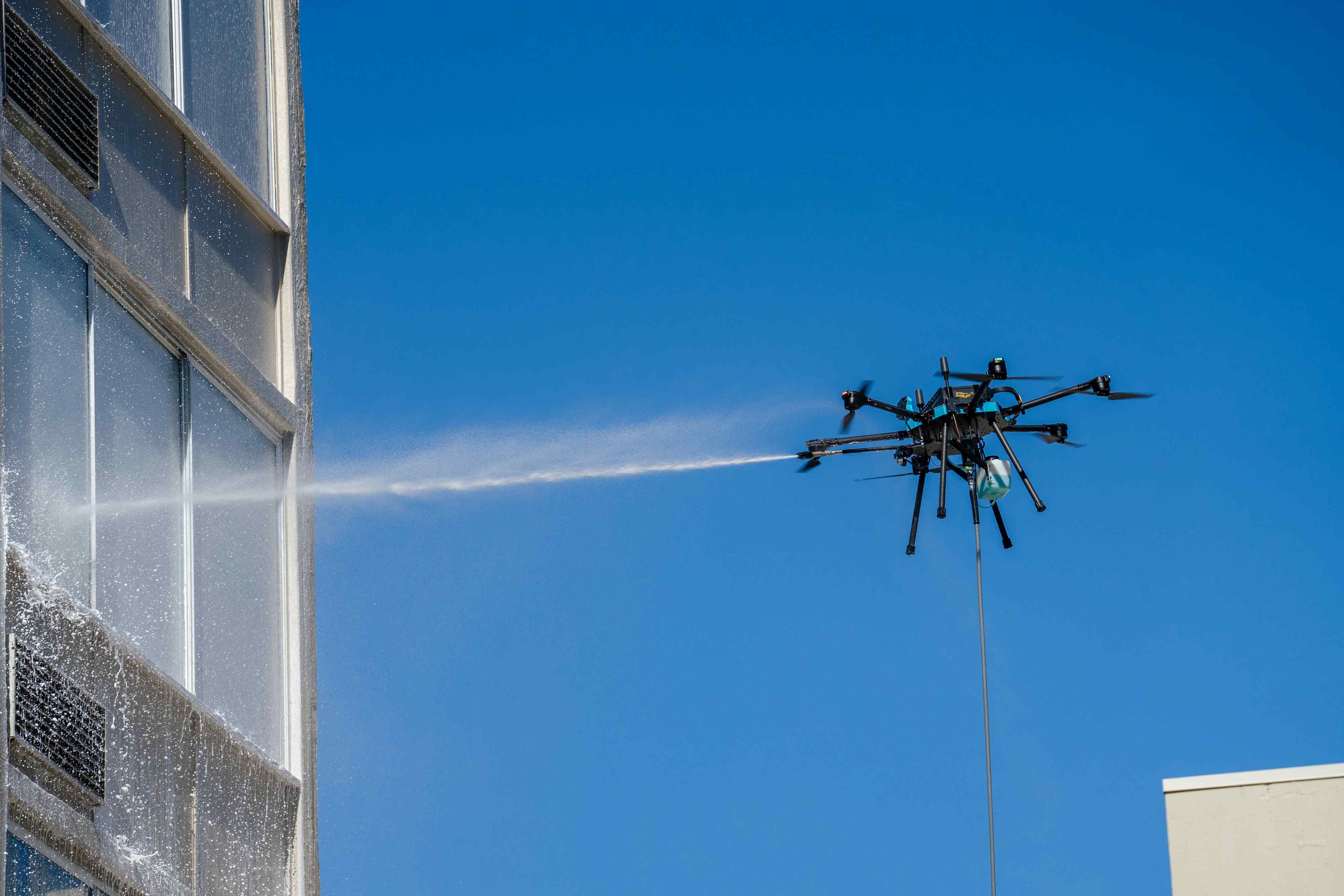
We clean solar panels by drone with deionized water, which has had its minerals filtered out, so it dries without leaving deposits. Our FAA Part 107 certified pilot stays on the ground the whole time. There are no brushes, and nobody sets foot on your roof.
When to clean your panels in Utah
There's no single right schedule, so let your system tell you:
- Check your production. Many systems come with a monitoring app. Compare this month with the same month last year. If output is down and the weather was similar, soiling is a likely reason.
- Look after pollen season. Late spring is when sticky pollen and dust combine, and it's a common time to clean.
- Clean before inversion season. A fall clean, before winter grime starts landing, means you start the short-day months with clear glass.
- Watch for local sources. Homes near construction, gravel roads, farm fields or busy streets usually need cleaning more often than the neighborhood average.
If you'd rather not keep track, a recurring seasonal clean takes care of it.
What cleaning can and can't fix
Cleaning removes what's sitting on the glass: dust, pollen, grime, droppings and mineral spots. It won't help with problems that have other causes, and it's worth knowing the difference before you book:
- Shade. A tree that has grown over the array, or a new building next door, cuts output whether the panels are clean or not.
- Equipment. An inverter fault, a tripped breaker or a failed panel shows up as a sudden drop, often on one string or one panel, rather than the slow slide that soiling causes.
- Short days. Production falls every winter because the sun is lower and the days are shorter. Compare like with like before deciding the panels are dirty.
If production is still low after a clean, call your installer to check the system.
Getting a free estimate
We clean residential solar across Salt Lake, Utah, Davis, Weber and Tooele counties. Request a free estimate and tell us about your system and roof. We'll let you know what we see and when a clean makes sense.
Frequently asked questions
Does rain clean solar panels?
Only partly. A 2023 study led by the National Renewable Energy Laboratory found that rain removed some pollen from panels at five North Carolina solar plants, but performance didn't return to its cleaned level.
How often should solar panels be cleaned in Utah?
There's no single schedule. Watch your system's production against the same months last year, and plan cleans around what builds up where you live, often after spring pollen and again before inversion season.
Do you walk on the roof to clean the panels?
No. We clean by drone from the ground, so there's no foot traffic on your panels, roofing or mounting hardware.